Dedza District crops officer John Mdoko has expressed concern over knowledge gap in aflatoxin control among farmers.
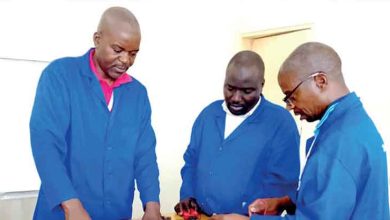
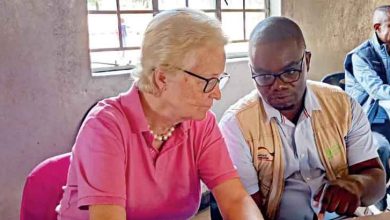
He said this on Monday in Dedza during the opening of a two-day training the World Food Programme (WFP) organised in partnership with International Institute of Tropical Agriculture (IITA) aimed at equipping agriculture trainers of trainers with knowledge of controlling the toxic substance.
“Many farmers have little knowledge on how best to handle their crops right away from their fields,” said Mdoko.
“We are losing a lot because the crops we are producing cannot be exported due to aflatoxin,” he said.
IITA country representative Sika Gbegbelegbe said many studies done in Europe led to the ban of crop exports such as groundnuts from Malawi due to increased levels of aflatoxin.
“Initially, I used to think it is because they do not like us, but no, it is because they are thinking about the welfare of their people,” she said.
Gbegbelegbe also disclosed that aflatoxin consumers die early due to liver cancer.
“We are losing on the health side and that has to be fully measured,” she said.
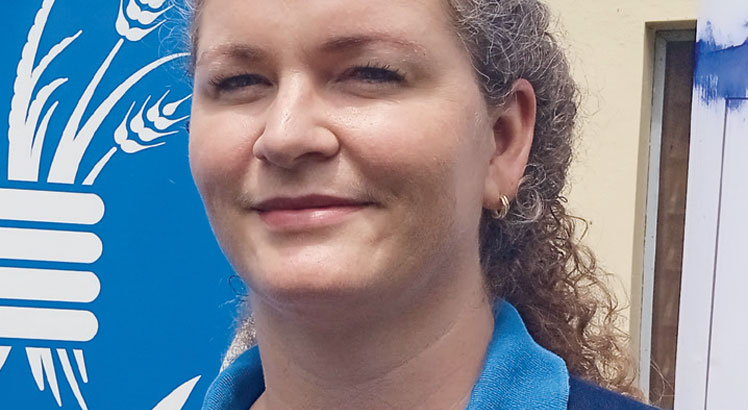
WFP head of supply chain Julie Vander Wiel-Hakme said they are committed to reducing the level of the toxin in Malawi as they collectively collaborate with the government, IITA and other stakeholders.
“This is the key priority for WFP because our mandate is to look at food security and nutrition,” she said.
Aflatoxin contamination remains a threat to public health, food quality and market competitiveness in Malawi.